
6 Best Drawer Organizers for Kitchen Drawers in 2026
As an Amazon Associate, this website earns from qualifying purchases.
The short answer
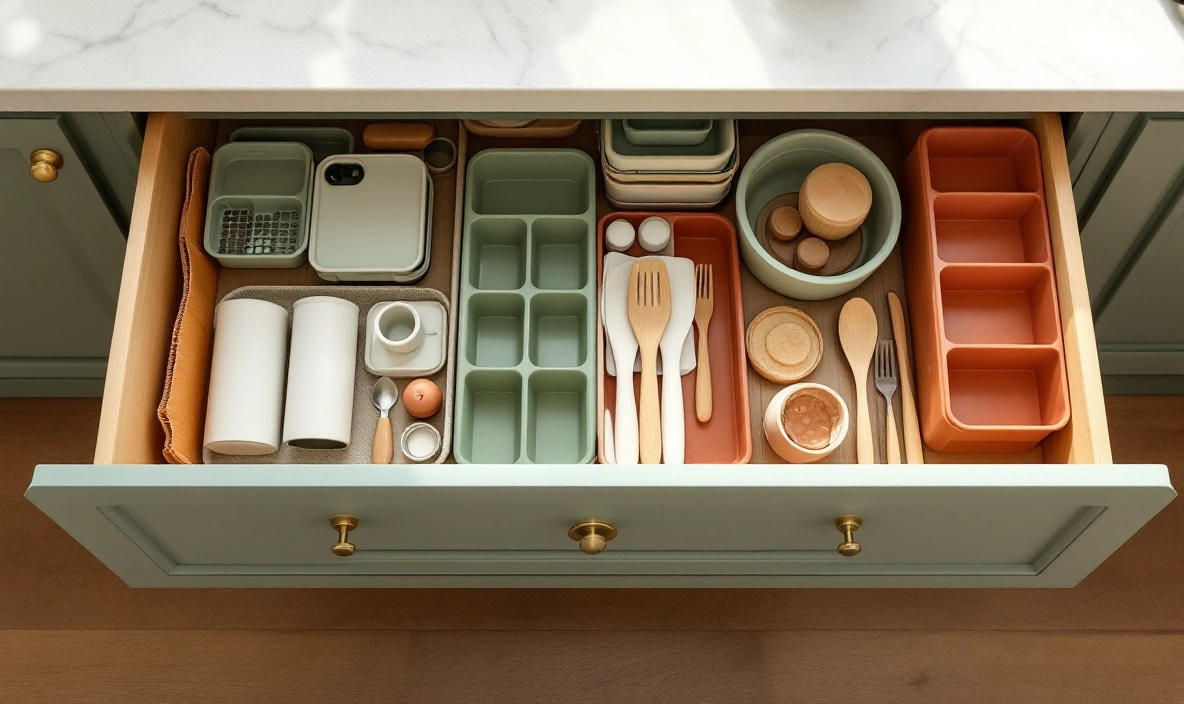
Most kitchens do best starting with an expandable tray like the OXO Good Grips Expandable Utensil Organizer, then adding a divider set or a deep-drawer bin for the drawers that need something different.
Last updated October 2026
Contents11
- #1. OXO Good Grips Expandable Utensil Organizer: best all-around pick
- #2. Lifewit 4 in Adjustable Drawer Dividers: best custom drawer layout
- #3. Totally Bamboo Expandable Drawer Organizer: best bamboo pick
- #4. madesmart Classic 3 Bin Drawer Organizer Set: best for splitting one drawer into zones
- #5. Criusia 6-Piece Large Clear Drawer Organizer Set: best clear stackable set
- #6. YouCopia DrawerFit Sliding Drawer Bin: best for adding a second storage layer
- Factors to consider when choosing a drawer organizer
- How we picked
- Mistakes worth avoiding
- Check your drawer before you buy
- More in this guide
Our top 6 picks
- 1Best all-around pick
 OXO Good Grips Expandable Utensil Organizer
- Expandable design to fit a range of drawer widths
- Utensil caddies lift out for setting the table
- Removable cup for corn holders and wine stoppers
- 2Best custom drawer layout
 Lifewit 4 in Adjustable Drawer Dividers
- Plastic divider walls let you choose your own drawer layout
- Top button adjusts and retracts each divider
- Spring tension and padded ends hold each wall in place
- 3Best bamboo pick
 Totally Bamboo Expandable Drawer Organizer
- Expands from 13 to 22 inches wide
- Five compartments, three fixed and two sliding
- Measures 17.75 inches deep by 2.5 inches high
- 4Best for splitting one drawer into zones
 madesmart Classic 3 Bin Drawer Organizer Set
- Three bins in assorted sizes for one drawer
- Nonslip rubber feet and a soft-grip bottom
- Rounded corners for easy cleaning
- 5Best clear stackable set
 Criusia 6-Piece Large Clear Drawer Organizer Set
- Six trays in three sizes, up to 6 by 15 by 2 inches
- Made from clear, eco-friendly PET plastic
- Stackable when not in use
- 6Best for adding a second storage layer
 YouCopia DrawerFit Sliding Drawer Bin
- Expands from 15 to 23.7 inches
- Creates an upper storage level in a deep drawer
- Locking teeth hold it at the set length
A good drawer organizer fits your drawer and your stuff. It does not need the most compartments. An expandable tray fits most standard drawers. It handles everyday utensils well. A divider set works better for odd-shaped tools. A clear stackable set suits a deep drawer. Bamboo suits a drawer people can see. This guide sorts six real picks by the job each one does best.
We did not test these by hand. The facts below come from each product listing. Check the current page before you buy.
#1. OXO Good Grips Expandable Utensil Organizer: best all-around pick
OXO Good Grips Expandable Utensil Organizer
Our verdict:
Best all-around pick
Best for a standard kitchen drawer holding everyday utensils and small tools.
View on Amazon- Expandable design to fit a range of drawer widths
- Utensil caddies lift out for setting the table
- Removable cup for corn holders and wine stoppers
- Removable trays for thorough cleaning
Keep in mind: the slot sizes are fixed once you set the width, so it fits a steady set of items better than one that changes a lot.
Product details checked September 2026
This tray expands to fit many drawer widths. It has an open area for odd-shaped tools. Non-slip feet keep it from sliding. It is the easiest place to start if this is your first time organizing this drawer.
#2. Lifewit 4 in Adjustable Drawer Dividers: best custom drawer layout
Lifewit 4 in Adjustable Drawer Dividers
Our verdict:
Best custom drawer layout
Best for a drawer with mixed tools or wrap boxes that do not suit fixed tray slots.
View on Amazon- Plastic divider walls let you choose your own drawer layout
- Top button adjusts and retracts each divider
- Spring tension and padded ends hold each wall in place
- ABS plastic construction for kitchen tools and mixed drawer contents
Keep in mind: these walls are four inches high; check the height and length against your drawer.
Product details checked October 2026
Each divider is an ABS plastic wall. Put it where your tools need a slot. Press the top button to change its length. Spring tension and padded ends hold it in place. Check the clear span inside the drawer before buying.
The walls are four inches high. Check the space above them too. Measure from the base to the lowest point over the drawer. Leave room for the drawer to close without catching a wall. A shallow tray fitting there does not mean a tall wall will fit.
#3. Totally Bamboo Expandable Drawer Organizer: best bamboo pick
Totally Bamboo Expandable Drawer Organizer
Our verdict:
Best bamboo pick
Best for a drawer near open shelving or a butcher block counter where the material shows.
View on Amazon- Expands from 13 to 22 inches wide
- Five compartments, three fixed and two sliding
- Measures 17.75 inches deep by 2.5 inches high
- Bamboo sidewalls with a fiberboard base
Keep in mind: it needs a wipe down, not a dishwasher cycle, so skip it for a drawer you wash out often.
Product details checked September 2026
Bamboo holds up to daily use better than thin plastic. It has a warmer look than a plastic tray. It comes with several slot sizes, so it fits both utensils and a few larger serving pieces.
#4. madesmart Classic 3 Bin Drawer Organizer Set: best for splitting one drawer into zones
madesmart Classic 3 Bin Drawer Organizer Set
Our verdict:
Best for splitting one drawer into zones
Best for a large drawer you want to split into a few sections instead of one open space.
View on Amazon- Three bins in assorted sizes for one drawer
- Nonslip rubber feet and a soft-grip bottom
- Rounded corners for easy cleaning
- Made from BPA-free plastic
Keep in mind: the bins are separate pieces, not one joined tray, so you place and space them yourself.
Product details checked September 2026
Three bins in different sizes let you set one aside for silverware, one for everyday tools, and one for small gadgets. All three come from one purchase. Rubber feet on the bottom stop each bin from sliding as the drawer opens.
#5. Criusia 6-Piece Large Clear Drawer Organizer Set: best clear stackable set
Criusia 6-Piece Large Clear Drawer Organizer Set
Our verdict:
Best clear stackable set
Best for a deep drawer where one flat tray would leave several inches of empty space above it.
View on Amazon- Six trays in three sizes, up to 6 by 15 by 2 inches
- Made from clear, eco-friendly PET plastic
- Stackable when not in use
- Includes 25 non-slip silicone pads
Keep in mind: it is clear plastic, not true acrylic, so think of it as sturdy and see-through, not glass-like.
Product details checked September 2026
This set comes in three sizes. You can stack them or set them side by side. That lets a deep drawer use its full depth instead of wasting the top half. Non-slip pads on the bottom hold each piece in place.
#6. YouCopia DrawerFit Sliding Drawer Bin: best for adding a second storage layer
YouCopia DrawerFit Sliding Drawer Bin
Our verdict:
Best for adding a second storage layer
Best for a deep drawer where you want an upper layer that slides out of the way.
View on Amazon- Expands from 15 to 23.7 inches
- Creates an upper storage level in a deep drawer
- Locking teeth hold it at the set length
- Made from BPA-free recycled plastic
Keep in mind: it adds a layer above what is already in the drawer, so measure the full depth first to be sure both layers fit.
Product details checked September 2026
This bin expands to fit the drawer, then slides across it. That creates a second level for small items like gadgets or hand towels. The space below stays easy to reach. Locking teeth hold it at the width you set.
Factors to consider when choosing a drawer organizer
Measure before you shop
Pull the drawer all the way out. Measure the inside width, the depth front to back, and the height from bottom to top. Most organizers fit a standard depth under three inches.
If your drawer is deeper or shallower, the type matters more than the brand. A shallow tray wastes space in a deep drawer. A tall one will not let a shallow drawer close.
Pick a layout that matches your items
A fixed tray works well when the drawer holds similar items, like everyday utensils. Every piece gets a fair slot. Loose dividers work better for a mix of odd shapes. You build the slots around what you own, instead of forcing items into a shape that does not fit.
Match the material to where the drawer sits
Plastic is the standard, lower-cost choice for most kitchen drawers. Bamboo costs more but looks intentional near open shelving. Clear sets let you see everything at a glance, and many of them stack, which helps most in a deep drawer.
How we picked
We looked at organizers built for kitchen drawers, covering four common jobs: everyday utensils, odd-shaped items, visible drawers, and deep drawers. We did not test these by hand. Details come from each listing, so check the current page before you buy. We favored products with a clear fit range and a real use case over generic trays with no clear strength.
Mistakes worth avoiding
The most common mistake is buying an organizer sized only for width, not depth, then finding out the drawer will not close. The second is picking a fixed tray for mixed items, then wondering why nothing fits, when dividers would have solved it. The third is assuming a nicer material will organize better than plastic, when the real fix is usually the layout.
Check your drawer before you buy
Measure the clear width and depth inside the drawer, then use the sourced numbers:
- Kitchen Drawer Organizer Layout Checker: enter your drawer size and see which combinations of real bins and trays fit across the width, with every bin's sourced size shown.
- Kitchen Storage Organizer Dimensions: the sourced, dated dimension table those bins come from, filterable and downloadable.
More in this guide
- Acrylic Drawer Organizer: What the Material Gets You: when a rigid, stackable clear set earns its higher cost over plastic.
- Clear Drawer Organizer: See Everything at a Glance: open-top clear trays that let you spot items without digging.
- Cutlery Drawer Organizer: Compartments Sized for Flatware: trays built with narrow slots sized for forks, knives, and spoons.
- Deep Drawer Organizer: What Actually Works Past 4 Inches: stacking and standing options for drawers a flat tray cannot fill.
- Drawer Organizer for the Kitchen: How to Pick One: a step-by-step way to measure, pick a material, then pick a layout.
- Drawer Storage Organizer: Beyond Just Utensils: using a drawer for lids and wraps, plus small appliance parts.
- Flatware Organizer for a Drawer: Storing a Matching Set: protecting a formal or matching flatware set from scratches.
- Kitchen Drawer Organizer: For More Than Just Utensils: organizing a general drawer full of gadgets and mixed tools.
- Kitchen Utensil Drawer Organizer: The OXO Expandable Line Compared: three OXO trays compared for different utensil mixes.
- Plastic Drawer Organizer: The Budget-Friendly Default: a fixed tray versus dividers, and when plastic beats a pricier material.
- Silverware Drawer Organizer: Everyday Trays With Individual Slots: trays built for a drawer used at nearly every meal.
- Small Drawer Organizer: Compact Options for Narrow Drawers: what actually fits when most trays are too wide.
- Utensil Drawer Organizer: Long Compartments for Cooking Tools: compartments sized for spatulas, whisks, and tongs instead of forks.
- Wooden Drawer Organizer: Bamboo as the Wood-Family Pick: what bamboo adds over plastic and where it is worth the cost.
Our picks in this topic
4 picks
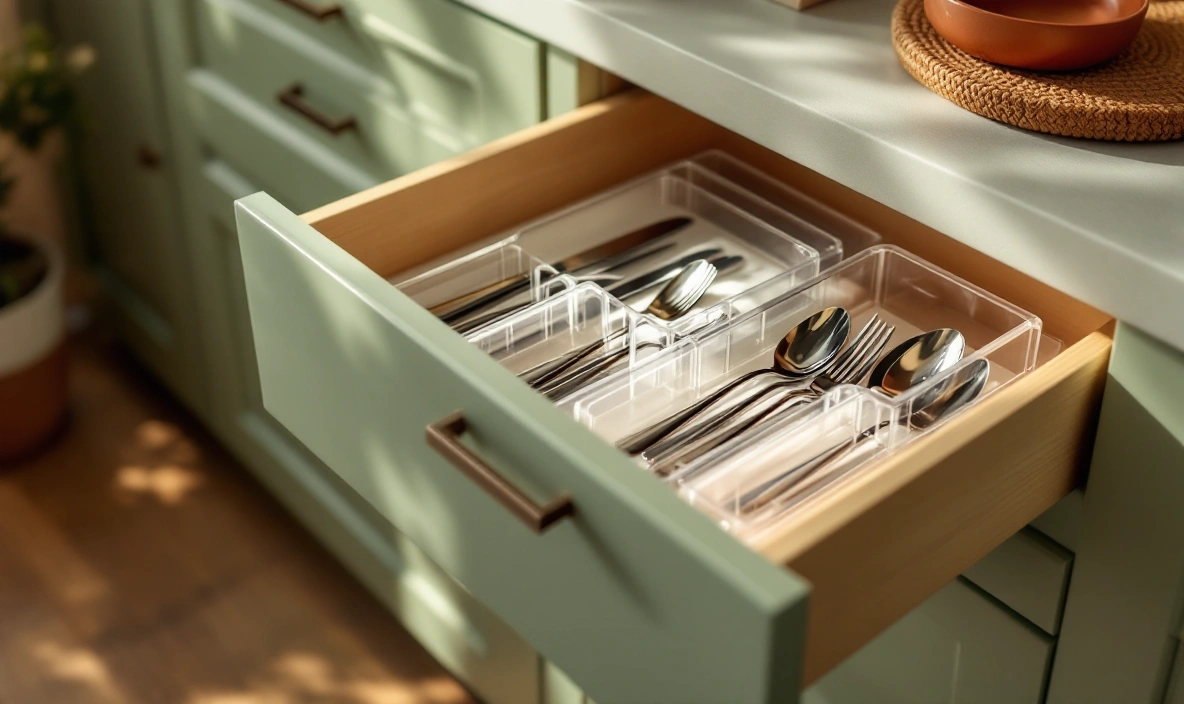
4 Best Acrylic Drawer Organizers in 2026
Four clear, rigid drawer organizers sold as acrylic style, compared for deep drawers and everyday use.
4 picks
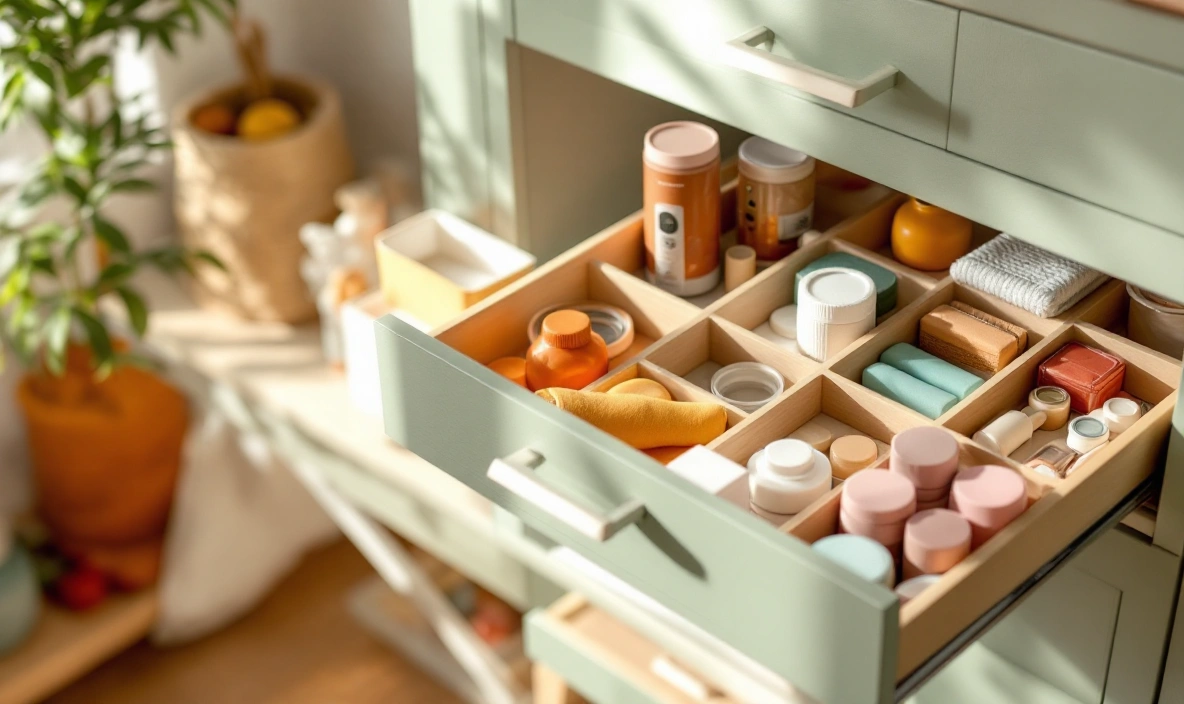
4 Best Clear Drawer Organizers in 2026
Clear drawer organizers let you spot what's inside without digging. Four open-top picks compared for everyday and deep drawers.
5 picks
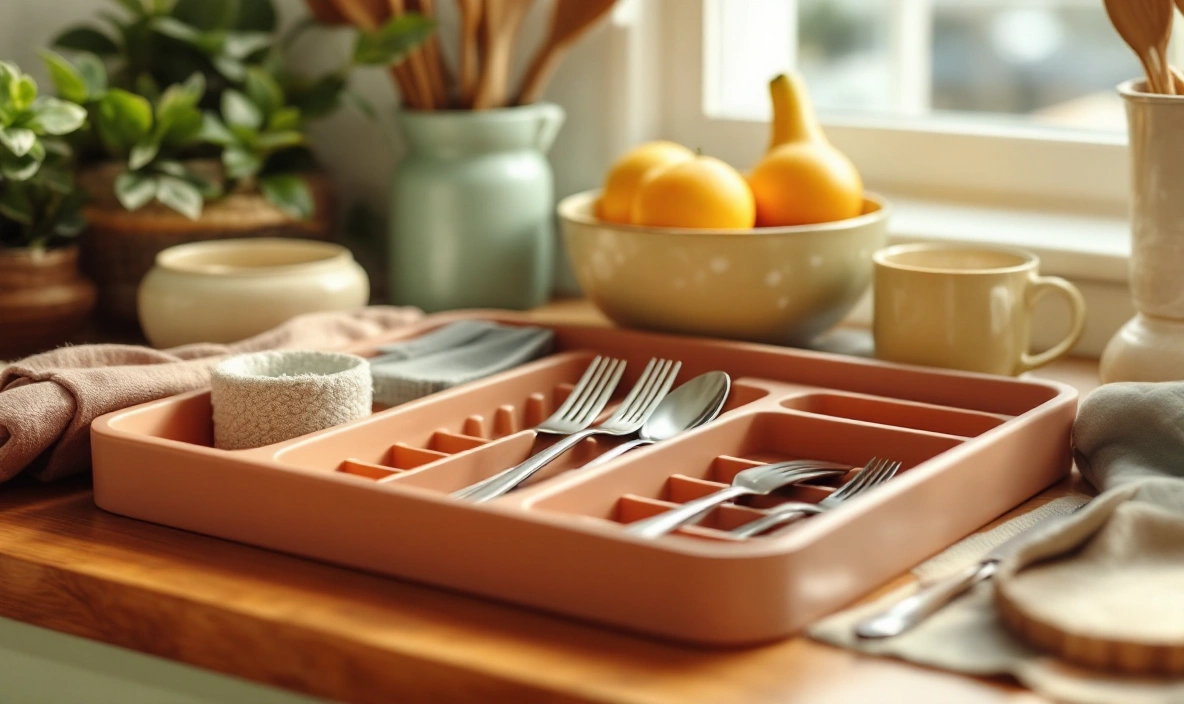
5 Best Cutlery Drawer Organizers in 2026
Cutlery drawer organizers with flatware-sized slots, compared, so knives, forks, and spoons each get a fit that works.
4 picks
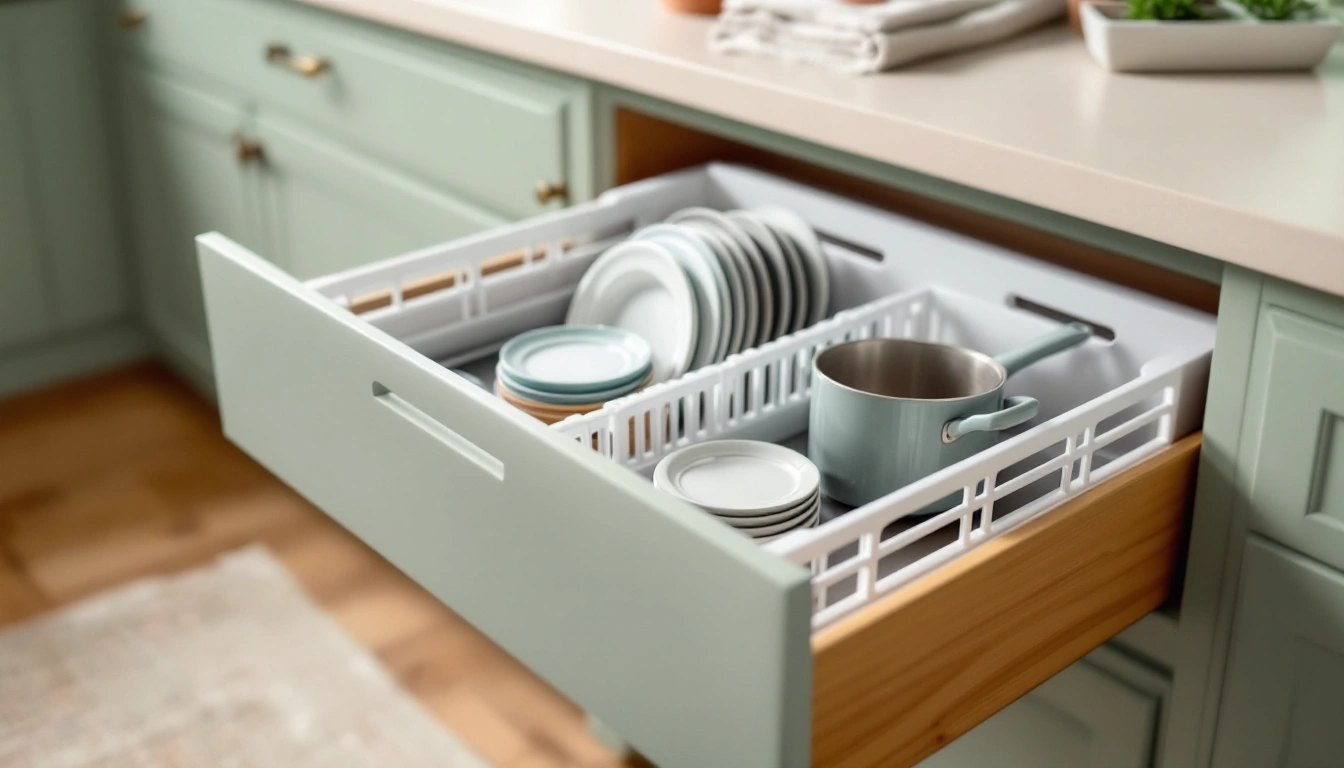
4 Best Deep Drawer Organizers for Tall Kitchen Drawers in 2026
A flat tray wastes space in a deep drawer. Four organizers that use the extra depth instead of ignoring it.
4 picks
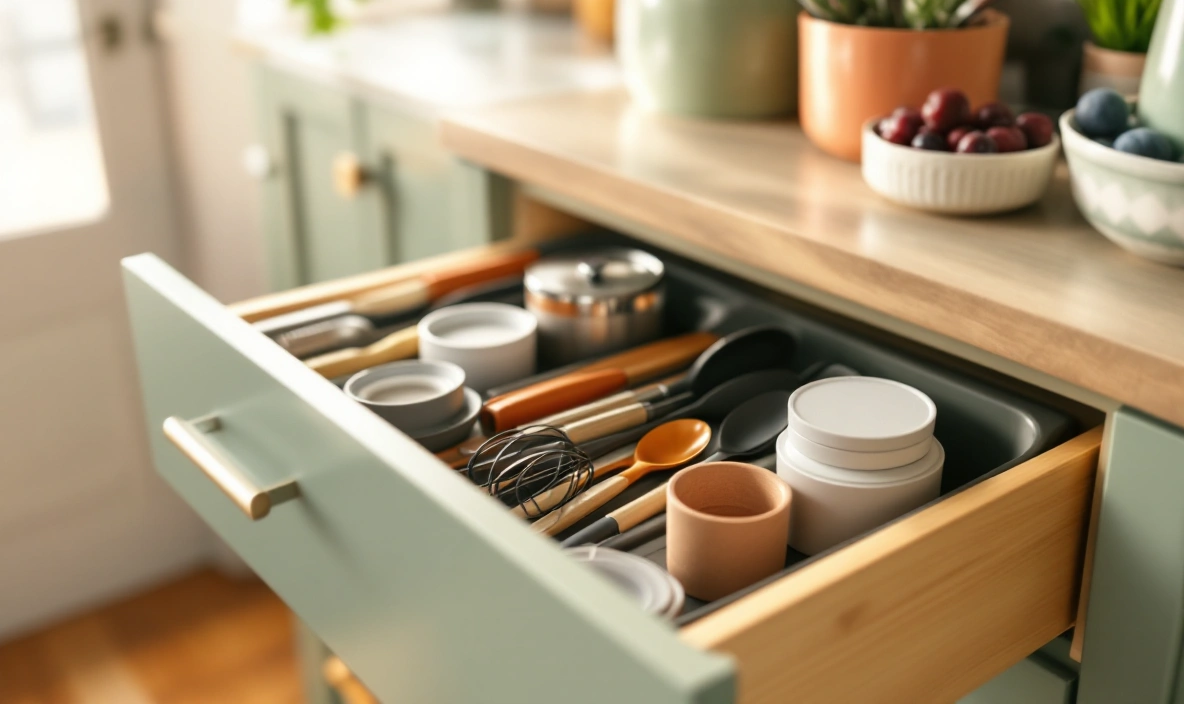
4 Best Drawer Organizers for the Kitchen in 2026
Four drawer organizers for the kitchen, picked by how they fit different drawer widths and different mixes of tools.
4 picks
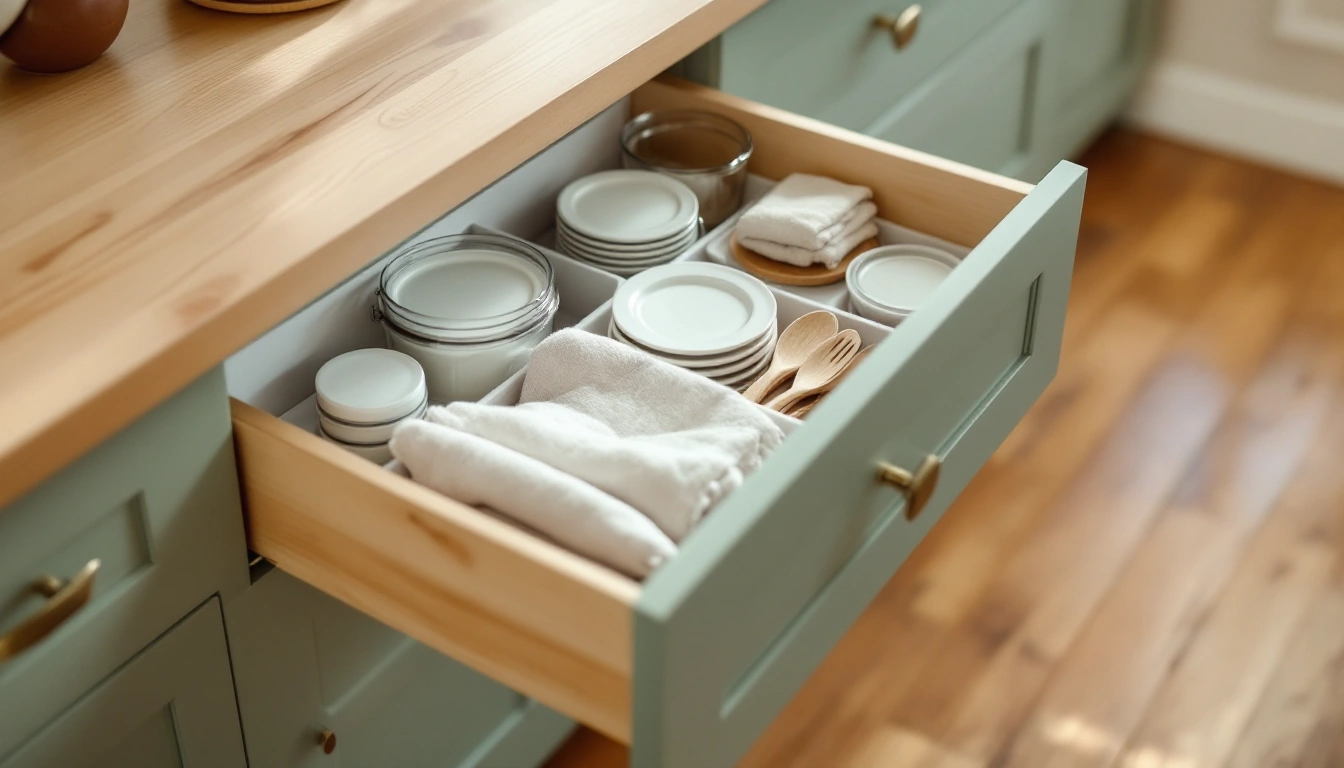
4 Best Drawer Storage Organizers Beyond Utensils in 2026
Four drawer organizers for storage jobs beyond utensils: lids, wraps, small appliance parts, and mixed zones.
4 picks
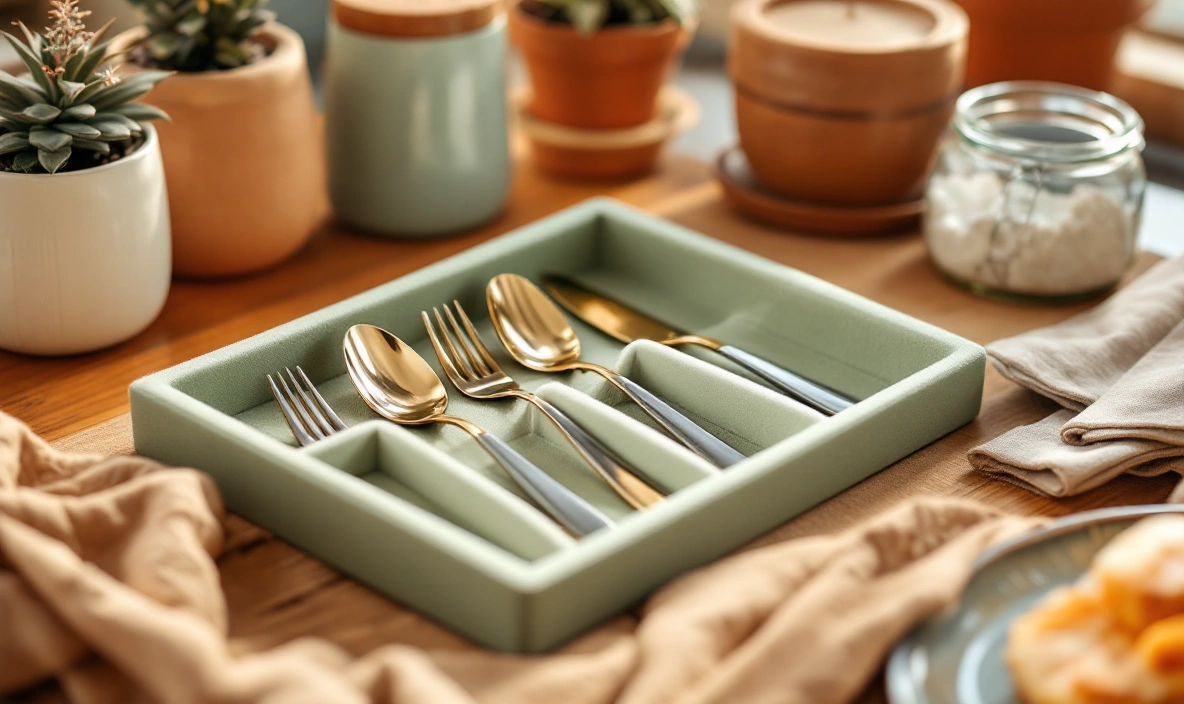
4 Best Flatware Organizers for Drawers in 2026
Flatware organizers that protect a matching or formal set, plus everyday options for a mixed set with serving pieces.
4 picks
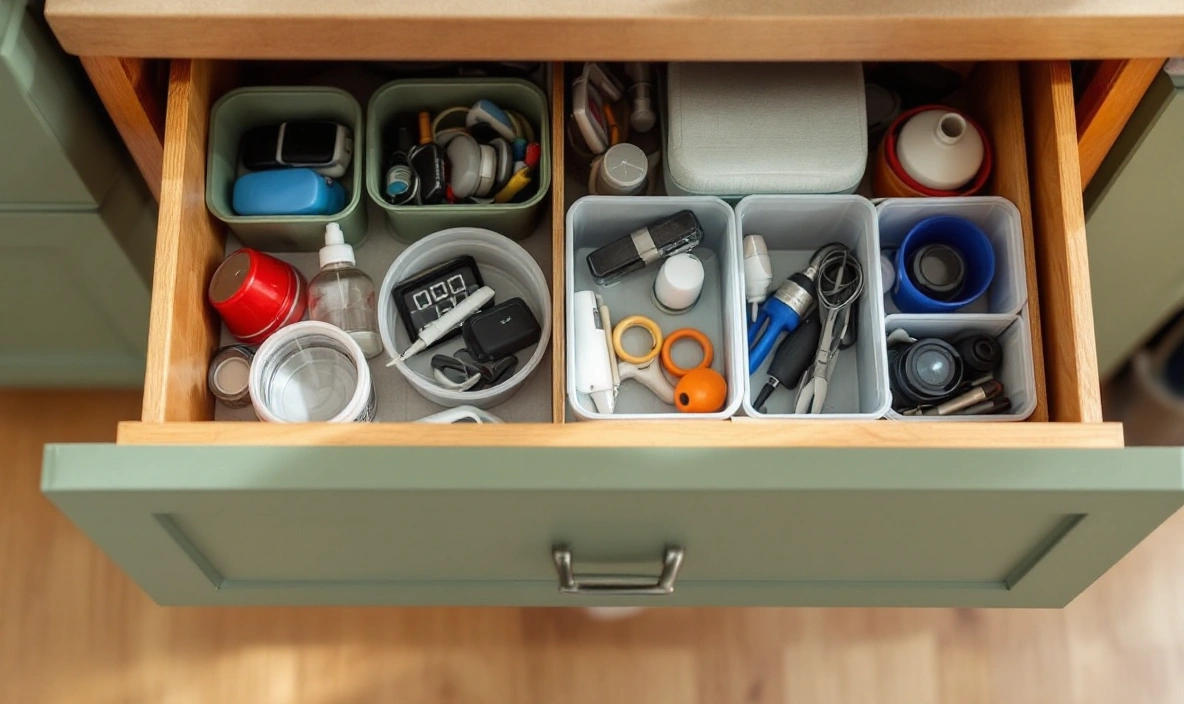
4 Best Kitchen Drawer Organizers for Mixed Tools in 2026
Four kitchen drawer organizers for gadgets, tools, and miscellaneous items, not just a utensil drawer.
4 picks
4 Best Kitchen Utensil Drawer Organizers in 2026
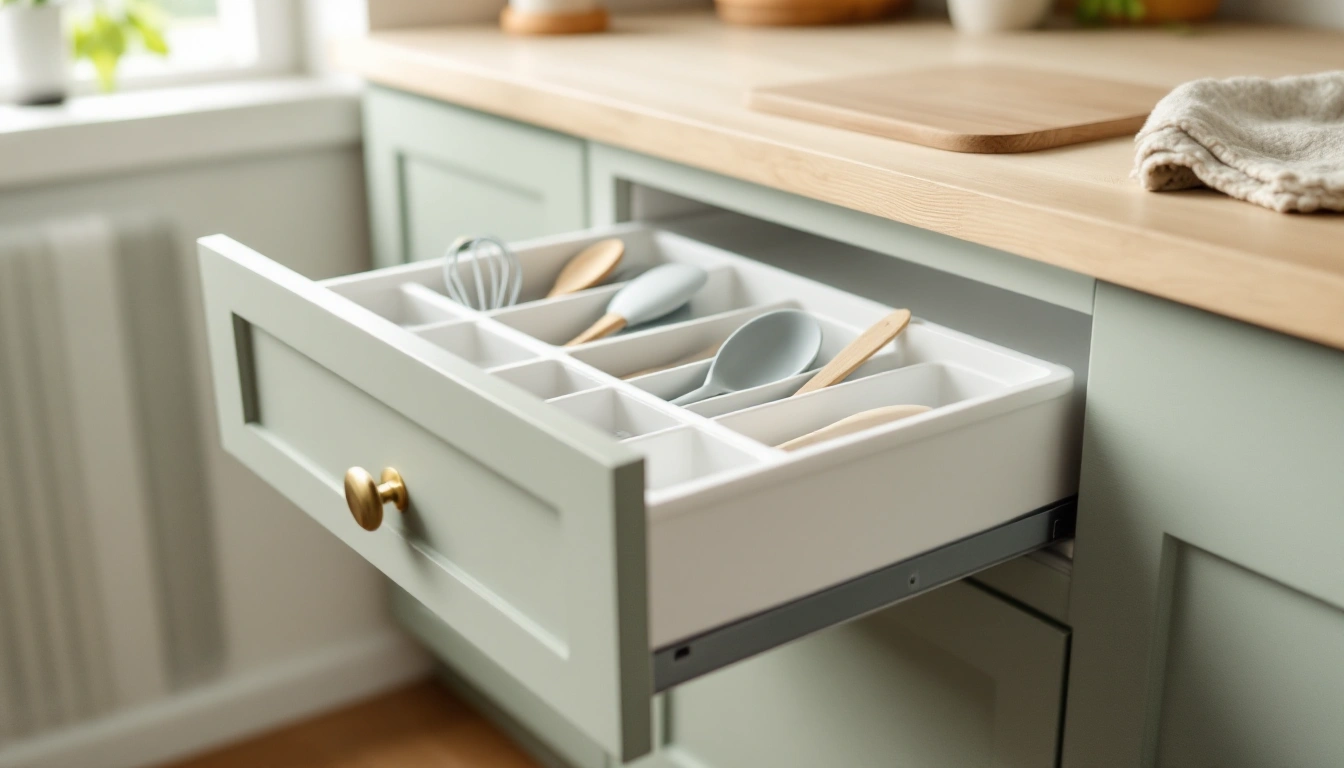
Four OXO utensil organizers compared, so you pick the one sized for your actual kitchen tools.
5 picks
5 Best Plastic Drawer Organizers in 2026
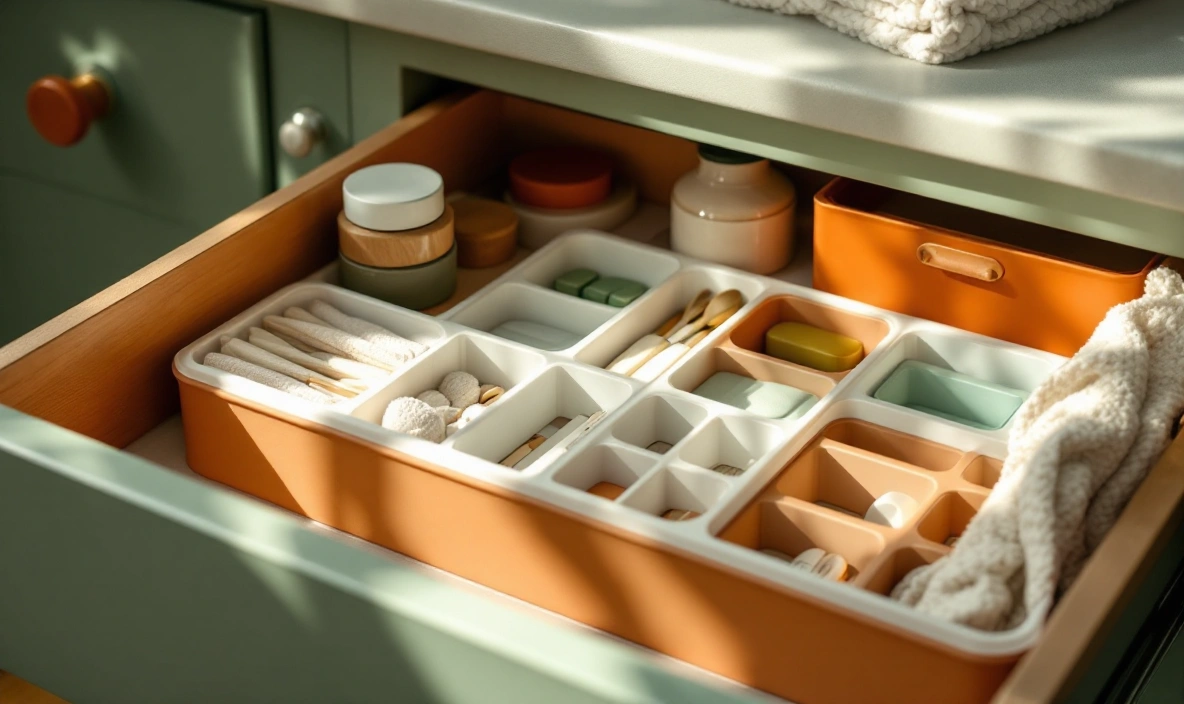
Plastic drawer organizers compared: fixed trays, adjustable dividers, and stackable clear sets, all at a lower cost than bamboo or true acrylic.
4 picks
4 Best Silverware Drawer Organizers in 2026
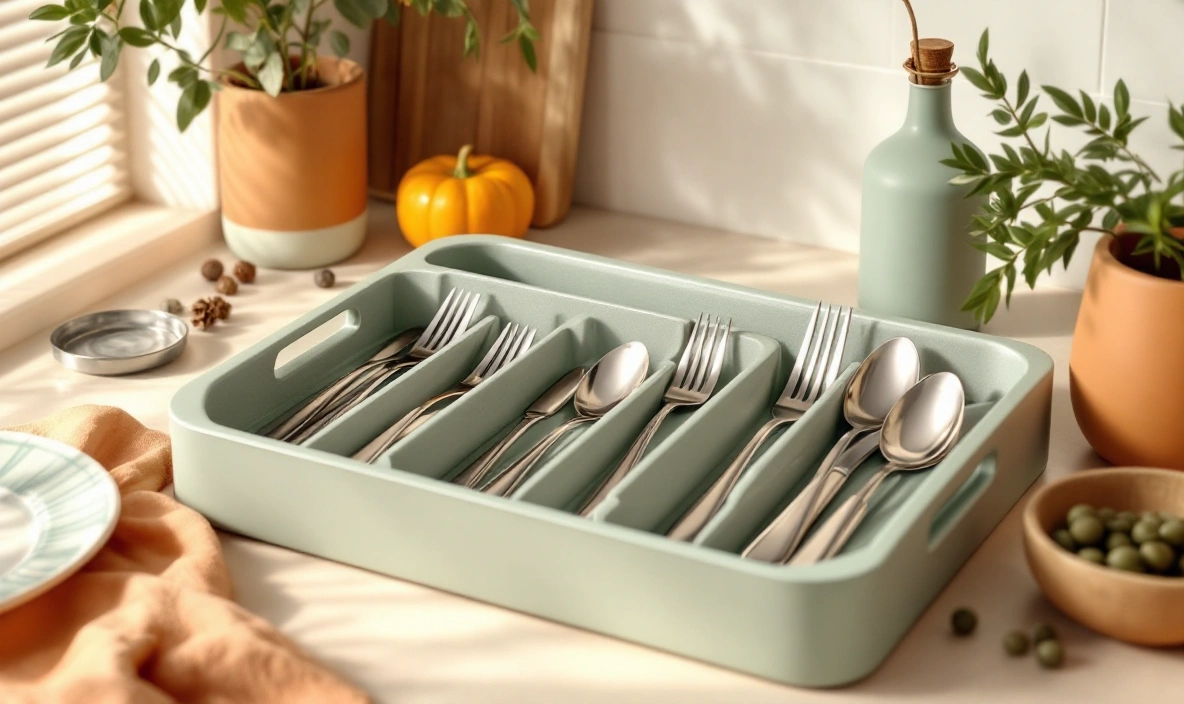
Silverware organizers for a drawer used at nearly every meal, with individual slots and a base that stays put.
5 picks
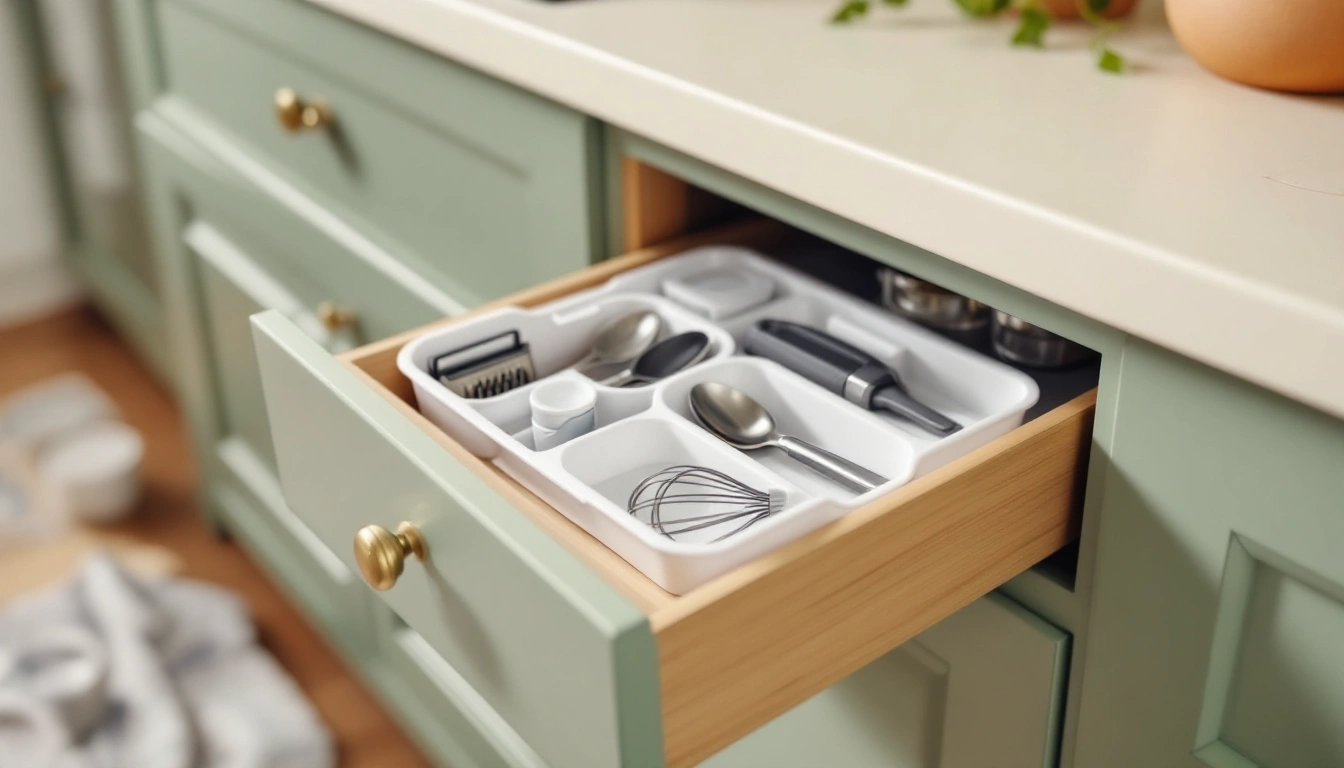
5 Best Small Drawer Organizers for Narrow Drawers in 2026
Compact drawer organizers for a narrow kitchen drawer that most standard-width trays do not fit.
4 picks
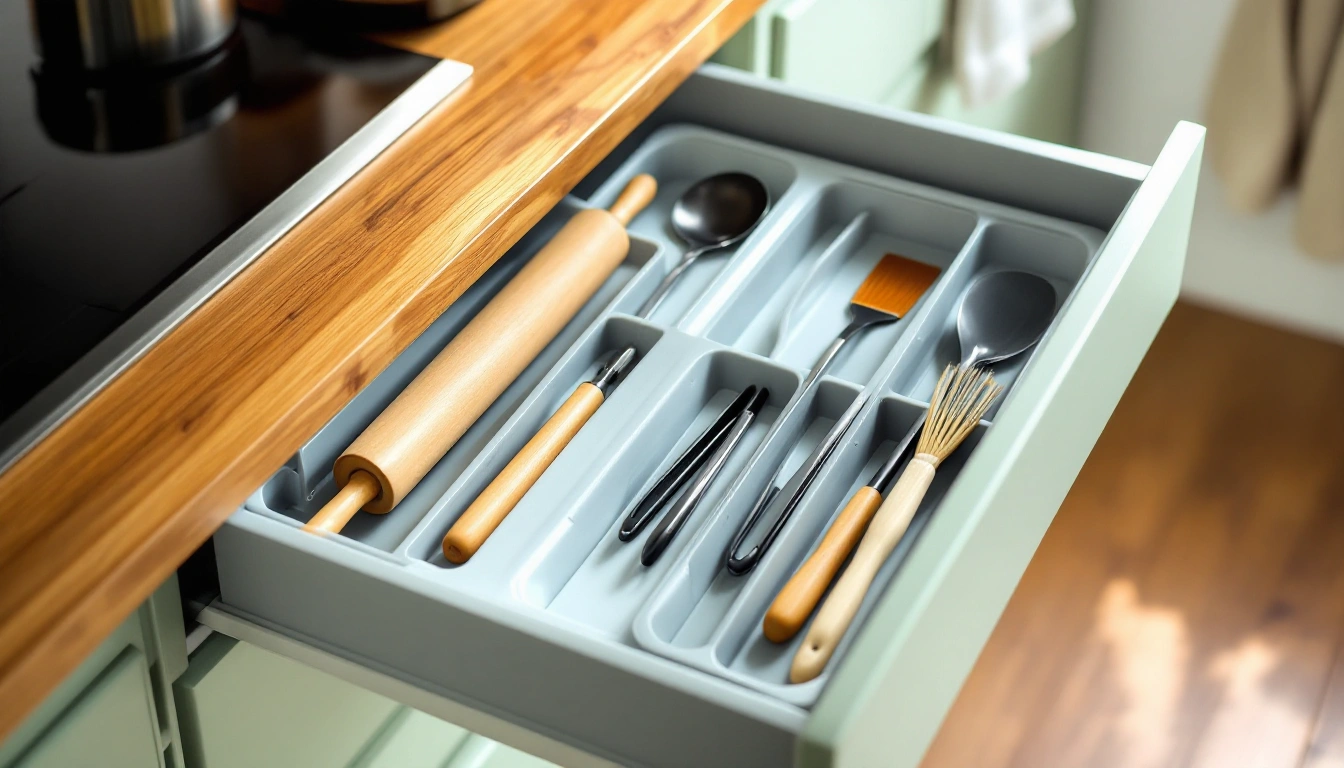
4 Best Utensil Drawer Organizers for Long Cooking Tools in 2026
Drawer organizers built around long cooking utensils, like spatulas, whisks, and tongs, instead of shorter eating-utensil slots.
5 picks
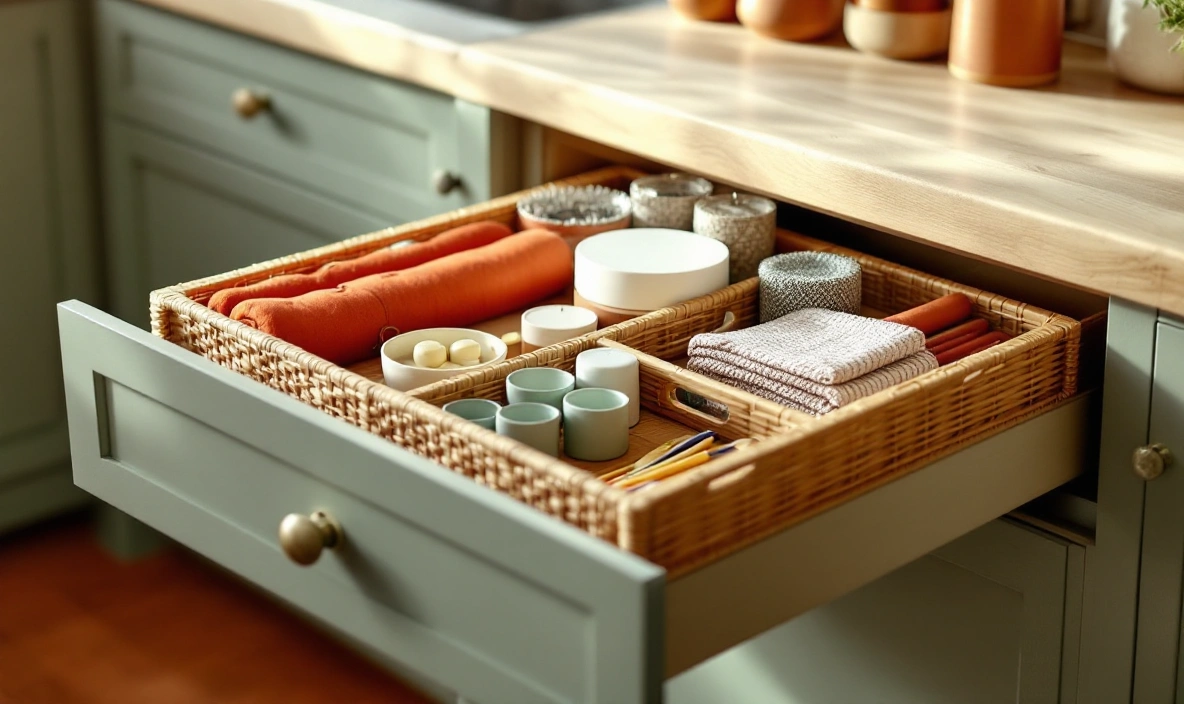
5 Best Wooden Drawer Organizers in 2026
Bamboo and acacia drawer organizers compared for everyday, deep, and mixed-content drawers.
Questions people also ask
What type of drawer organizer should I buy first?
An expandable tray, like the OXO Good Grips Expandable Utensil Organizer. It fits most standard drawers and handles the everyday mix of spoons, spatulas, and small tools most people store first.
Are clear or acrylic organizers worth it over plain plastic?
Mostly for looks, and for seeing contents at a glance. A clear plastic tray does the same organizing job as a tinted one for a similar cost, so pick clear if you want to see inside without digging.
Do bamboo drawer organizers work as well as plastic ones?
For dry utensil and silverware storage, yes. Bamboo is sturdy and holds up well over time, but it costs more and needs a wipe down instead of a dishwasher rinse.
Can I mix organizer types in one kitchen?
Yes, and most kitchens end up doing this. A utensil drawer often gets an expandable tray, a silverware drawer gets a divider set, and a deep drawer gets a stackable bin.